

 See My Latest Article on HelloNation
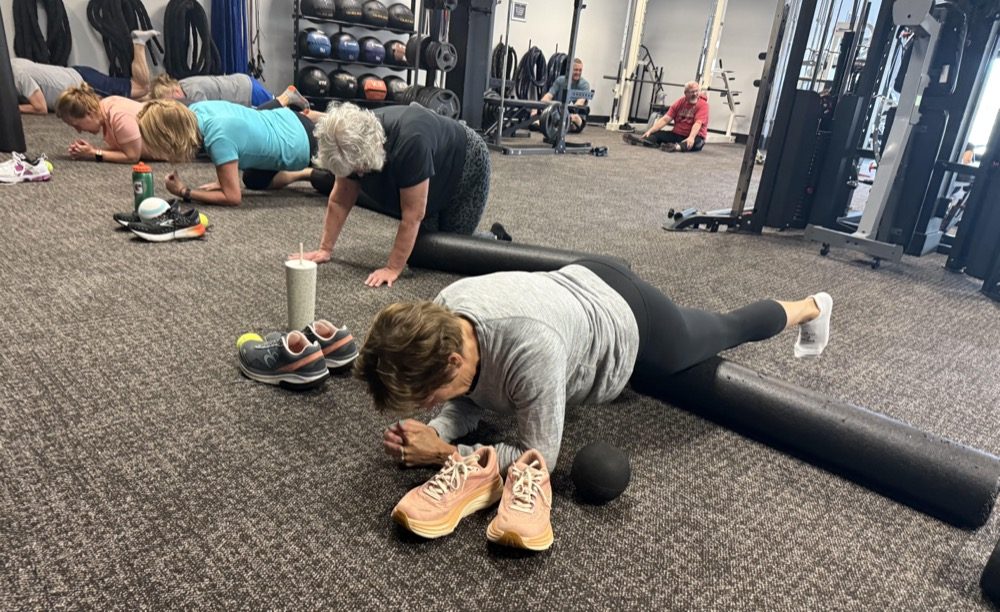
Myofascial release is a form of self-massage that uses steady pressure, movement, and body weight to address areas that feel tight, tender, or restricted. Foam rollers and trigger point balls are common tools, but they are not magic fixes for injuries. Used thoughtfully, they may support short-term mobility, warm-up comfort, and recovery after exercise.
What is myofascial release?
Myofascial release refers to techniques intended to reduce tension or sensitivity in the muscles and the fascia surrounding them. Fascia is a connective tissue network that helps support and separate muscles, tendons, nerves, and other structures.
In practical terms, myofascial release usually means applying gentle, sustained pressure to a muscle or soft-tissue area. A person may use a foam roller for broader regions, such as the thighs or upper back, or a small ball for more focused areas around the feet, shoulders, hips, or glutes.
The experience should feel like tolerable pressure, not sharp pain. Temporary tenderness can occur, but aggressive force is not required for the technique to be useful.
How can foam rolling support recovery?
Foam rolling may temporarily improve range of motion and reduce the sensation of muscle tightness. It can also help a person feel more comfortable moving after exercise, prolonged sitting, or physically demanding work.
A foam roller is most useful for larger muscle groups, including:
- Quadriceps at the front of the thighs
- Hamstrings at the back of the thighs
- Calves
- Gluteal muscles
- Upper back muscles
- Side hip muscles, with caution and controlled pressure
Rolling does not literally “break up” scar tissue or permanently lengthen muscles. The short-term benefits are more likely related to changes in nervous-system sensitivity, circulation in the area, and a person’s tolerance for movement.
For example, a runner may feel that the calves move more freely after a brief rolling session. A person who spends much of the workday at a desk may find that gentle upper-back rolling makes extension and rotation feel easier. Those changes can be useful, even when they do not represent a permanent structural alteration.
What does a trigger point ball do differently?
A trigger point ball provides more focused pressure than a foam roller. Because its contact area is smaller, it can reach specific muscles or tender spots that are difficult to address with a larger roller.
Common uses include:
- Placing the ball beneath the foot while standing or seated
- Leaning against a wall to work the upper back or shoulder blade area
- Using the ball against the gluteal muscles while seated on the floor
- Applying gentle pressure to the chest muscles against a wall
- Working the hip area carefully while lying on a mat
A ball should not be placed directly on the front or side of the neck, the spine itself, the abdomen, the back of the knee, or areas with prominent blood vessels or nerves. Avoid pressing directly on joints rather than the surrounding muscle.
The goal is controlled pressure that gradually feels less intense as the area relaxes. If a spot produces burning, electric, numb, or shooting sensations, stop rather than pressing harder.
How should someone foam roll safely?
Start with five to ten minutes and use slow, controlled movements. Rolling quickly over a painful area often increases irritation without providing additional benefit.
A simple approach is:
1. Position the roller under a broad muscle group.
2. Support some of the body weight with the hands, arms, or opposite leg.
3. Move slowly over a comfortable range.
4. Pause over mildly tender areas for approximately 15 to 30 seconds.
5. Breathe normally and avoid bracing the entire body.
6. Follow the session with easy movement or gentle stretching.
Pressure should generally remain between mild and moderate. A commonly used guide is discomfort around three to five on a ten-point scale, without sharp pain or protective muscle spasms.
More pressure is not automatically better. A harder roller or a heavier body position may be inappropriate for someone who is new to the technique, recovering from a strain, or already feeling unusually sore.
Should rolling happen before or after exercise?
Foam rolling can be used before or after exercise, but the purpose changes.
Before activity, a brief session may help a person feel less stiff and move through a warm-up more comfortably. It should be followed by active movements, such as walking, bodyweight squats, arm circles, or sport-specific drills. Passive rolling alone does not prepare the body for every activity.
After exercise, gentle rolling may reduce the feeling of tightness and make light movement more comfortable. It should not be treated as a requirement for preventing soreness. Delayed muscle soreness can still occur, especially after unfamiliar or high-volume exercise.
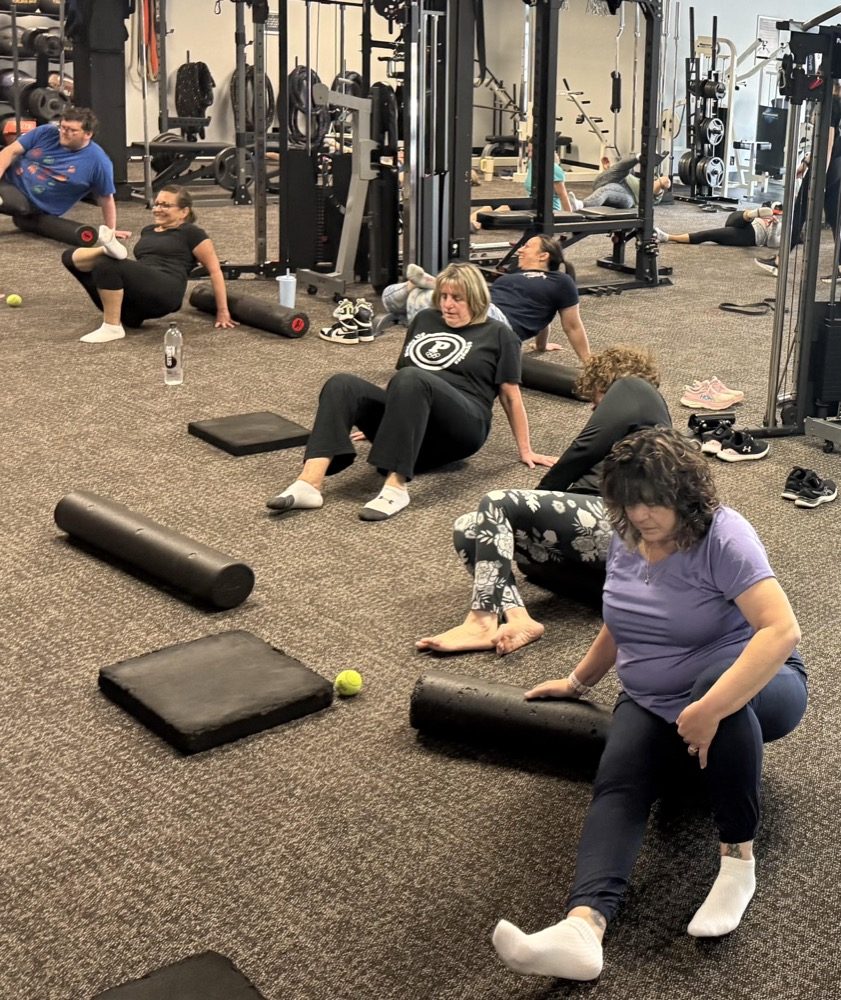
For Rochester residents, seasonal habits may influence how rolling feels. Cold winter conditions and long periods spent indoors can contribute to stiffness when daily movement decreases. A short walk, warm shower, or several minutes of light mobility may pair more effectively with rolling than relying on pressure alone.
Can foam rolling release a true “knot”?
The word “knot” usually describes a tender or tense area in muscle, but it does not necessarily identify a separate lump that can be physically broken apart. Muscle tightness can involve local sensitivity, fatigue, guarding, or changes in how the nervous system responds to pressure and movement.
Foam rolling or ball work may reduce the sensation of tightness for a period of time. It may also make movement feel easier. However, recurring tightness can be connected to training load, poor sleep, prolonged sitting, limited strength, stress, or a movement pattern that continues to irritate the area.
If a tender spot repeatedly returns, the long-term solution may involve adjusting activity, improving strength, changing work posture, or addressing recovery habits rather than repeatedly applying more pressure.
When should foam rolling be avoided?
Self-massage is not appropriate over open wounds, unexplained swelling, bruising, skin infection, or a recent fracture. Use extra caution after surgery or during recovery from a significant muscle, tendon, or ligament injury.
People with conditions affecting blood clotting, sensation, circulation, or bone strength should seek individualized medical guidance before using firm pressure. Anyone taking medication that increases bleeding risk should also be cautious.
Stop immediately if rolling causes:
- Numbness or tingling
- Sharp, shooting, or electrical pain
- New weakness
- Significant swelling or bruising
- Dizziness, nausea, or unusual shortness of breath
- Pain that continues to intensify after the session
Persistent pain, pain that occurs at rest, or symptoms that interfere with walking, sleeping, or ordinary activities deserve medical evaluation rather than repeated self-treatment.
How often should someone use these tools?
Many people can use gentle foam rolling several times per week, depending on comfort and activity level. A brief session is usually sufficient. Spending a long time repeatedly pressing the same tender spot may increase soreness.
A practical routine might include one or two minutes per major muscle group, followed by normal movement. The response over the next day matters more than the intensity during the session. Mild, temporary tenderness may be acceptable; worsening pain or reduced function suggests that the pressure or frequency is too high.
Foam rolling works best as one part of recovery that also includes adequate sleep, hydration, regular movement, progressive strength training, and rest between demanding workouts.
What is the main takeaway?
Foam rollers are suited to broad muscle areas, while trigger point balls allow more focused pressure. Both tools may temporarily improve comfort and mobility, but neither replaces proper training progression or evaluation of persistent pain.
Use slow movements, moderate pressure, steady breathing, and a clear reason for working on each area. Recovery should leave the body feeling more capable of moving—not more irritated than before.