
 See My Latest Article on HelloNation
How Do I Start Exercising If I Haven’t Worked Out in a Long Time?
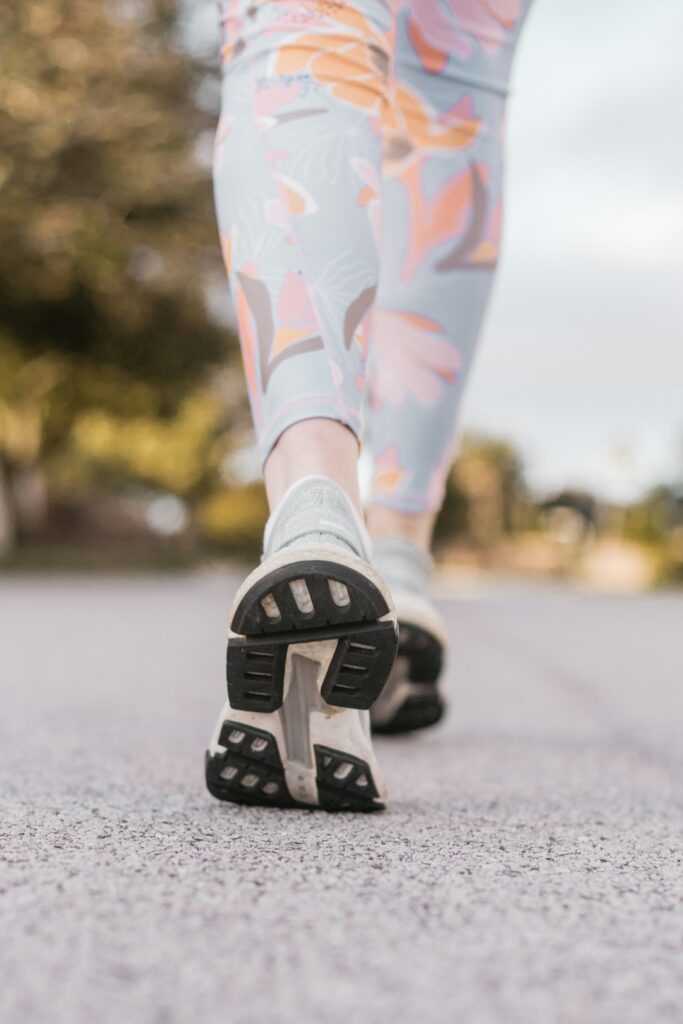
Nearly everyone feels intimidated at the thought of beginning exercise after a long break. The key is to make gentle, realistic goals for your situation. Start with simple, attainable changes—such as walking around your block or doing light stretching—for just a few minutes most days. The goal is to build comfort and consistency, not intensity.
For local residents, Rochester’s four distinct seasons present unique opportunities and challenges. In colder months, household spaces can be used for bodyweight exercises or yoga routines. Warmer weather encourages walks in nearby parks, gardening, or outdoor cycling. Even shoveling snow on your sidewalk can count toward physical activity.
What Are Some Common Misconceptions About Getting in Shape?
It’s common to believe that you need special gear, a gym membership, or long workouts to make real progress. In reality:
- Any movement counts: Light chores, standing stretches, or short walks all contribute.
- Progress is gradual: Noticeable changes in energy, strength, or mood often happen before visible appearance changes.
- Rest is part of improvement: Rest days help the body adjust and avoid injury—especially when just starting out.
Area residents sometimes worry that local weather limits activity, but adapting to the season is part of an active lifestyle in Rochester. Focusing on flexible options rather than rigid routines is often more sustainable.
How Can I Build a Routine That Fits My Lifestyle?
Start by considering your daily schedule and the habits of your household. Short bouts of movement, even five minutes at a time, add up throughout the day.
Here’s how to build activity into a local lifestyle:
- Replace a short car trip with a brisk walk when possible.
- Use breaks during household tasks for light stretching or a few mobility movements.
- Try free outdoor fitness options in city parks—many have open spaces for walking or light calisthenics.
- Make use of community sidewalks, trails, or paths, adjusting for snow and ice in winter.
It’s normal to feel awkward at first. What matters most is finding a rhythm that feels sustainable and not forcing yourself into a single approach.
How Do I Stay Motivated When Progress Feels Slow?
Getting discouraged is normal, but several strategies can help keep you moving forward. The most effective motivators for many area residents include:
- Setting small, achievable targets (like walking 10 extra minutes each week)
- Tracking movement in a notebook or phone app
- Observing mood and energy, not just body measurements
- Asking a friend, neighbor, or household member to join you occasionally
During Rochester’s darker months, many people experience shifts in mood related to sunlight. Even moderate movement can help with energy and sleep. Keeping exercise routines flexible and forgiving to match your energy level improves long-term consistency.

What If I Have Health Concerns or Physical Limitations?
If you have chronic health conditions, joint concerns, or are recovering from an injury, begin with very gentle activity. Simple options include chair-based movements, slow walks on flat, clear surfaces, or flexibility exercises focused on joints and posture.
Area specialists recommend starting with movements you can do without pain. Listen to your body, and gradually introduce new activities. For those new to exercise or with medical conditions, basic routines that avoid strain—especially during icy winter conditions—are safest.
If you’re unsure whether a movement is safe, check general guidelines from reputable public health agencies or review local wellness resources.
How Can I Adapt to Rochester’s Weather and Environment?
Seasonal shifts mean flexibility is essential. Outdoor activity is enjoyable for much of the year, but winter ice, spring rain, or summer heat may require adjustments.
Practical tips for area residents:
- In winter, clear walkways of snow before walking and consider indoor routines to avoid slips.
- In rainy months, use a dry towel or mat for floor exercises inside.
- During summer, opt for early morning or late evening activity to avoid heat.
- Dress in layers during transition months to stay comfortable outside.
Budget-friendly indoor activities—like stair climbing, online guided stretching classes, or using canned goods as light weights—can keep you moving when the weather won’t cooperate.
What Local Resources and Spaces Can Support My Efforts?
Rochester is home to a range of public parks, sidewalks, and green spaces ideal for low-impact activity. Many neighborhoods offer access to walking routes and open spaces, making it easier to step outside for exercise.
Community centers and libraries may offer free or low-cost programs for adults just starting out, especially in fall and winter months. Seasonal events, group walks, or activity challenges can add social support and make the process more enjoyable.
Exploring different parks or joining seasonal outdoor events allows residents to stay active and discover new favorite spaces around the city.