
 See My Latest Article on HelloNation
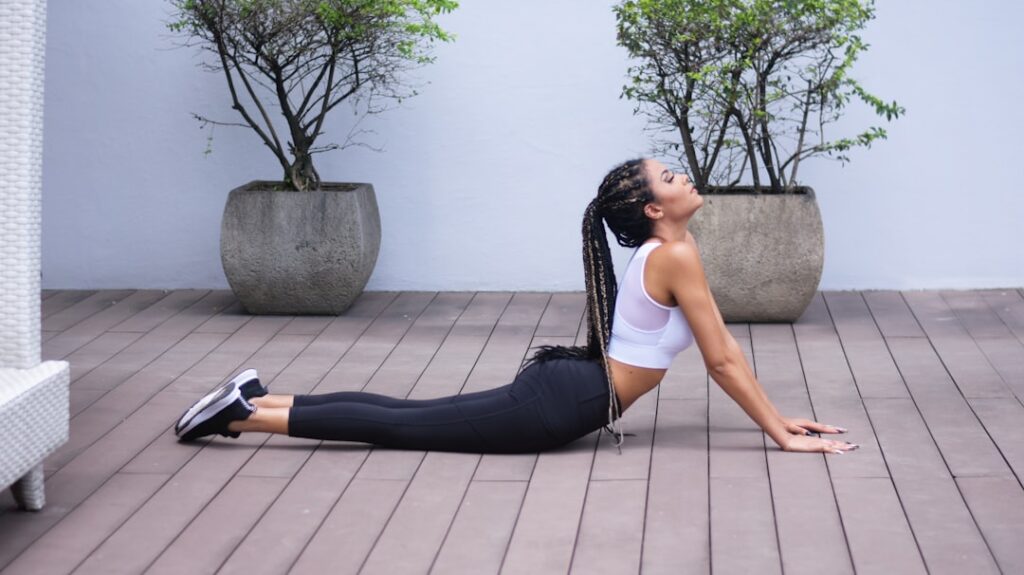
What Does Stretching Do for Flexibility?
Stretching helps lengthen muscles, keeps joints healthy, and makes daily movement easier. Local residents often notice feeling “stiff” during colder months or after being less active, and gentle stretching can counteract this. Flexibility supports everything from gardening in spring to shoveling snow in winter. It also reduces muscle soreness after neighborhood walks or time spent sitting.
Which Stretches Are Safe for Beginners?
Most adults in Rochester, NY can safely begin with static stretches: gentle positions held for 10–30 seconds. These don’t require equipment and can be done in living rooms, backyards, or even at parks.
Common safe beginner stretches include:
- Neck stretch (tilt head to one side, hold, repeat on other)
- Shoulder stretch (reach across the body, gently pull arm closer)
- Standing hamstring stretch (reach toward toes while standing, knees slightly bent)
- Seated forward fold (sit on the floor, legs forward, reach for toes)
- Cat-cow stretch (on hands and knees, alternate arching and rounding back)
Residents with previous injuries, joint replacements, or ongoing pain should speak with a healthcare provider before adding new stretches.
How Much and How Often Should You Stretch?
Holding each stretch for 15–30 seconds and repeating 2–4 times is a reasonable starting place for most. For best results, stretch major muscle groups at least two or three days per week.
Those who spend hours shoveling, raking, or desk working may find daily stretching more beneficial. Short routines can fit before bed, after work, or with morning light through a Rochester window. Gentle consistency is more effective than rare, intense effort.
Are Dynamic Stretches Useful for Daily Life?
Dynamic stretches involve movement, such as gentle arm circles or hip swings. They help warm up the body before physical activity. Many residents find these useful before walks in local parks, pickleball games, or recreational sports.
For daily routines, dynamic moves like torso rotations or marching in place can improve mobility, making chores and errands around the house feel easier.
What Are Common Mistakes to Avoid When Stretching?
Avoid bouncing or forcing a stretch—these increase risk of muscle strain. Stretches should not be painful; a gentle pull or mild discomfort is normal, but sharp pain means stopping immediately.
Other overlooked factors:
- Stretching cold muscles can cause injury. Try a brief warm-up (marching in place, light movements) first.
- Holding your breath. Remember to breathe slowly and evenly.
- Skipping both sides. Balance flexibility by working both arms, legs, and sides equally.

How Can Rochester’s Climate Affect Stretching?
Seasonal changes influence flexibility. Cold, damp winters can make muscles feel tight. Warming up indoors, using heavier clothing, or stretching after a warm shower may help. In warmer months, outdoor stretching is pleasant but take care on uneven ground or slippery grass.
The city's wide seasonal shifts mean indoor routines are valuable year-round—especially during snow or rain.
What Are Some Realistic Stretching Routines for Home?
Residents often ask for quick routines they can use in apartments, single-family homes, or shared spaces. Here’s a simple routine for most adults:
1. Begin with 2 minutes of light movement to warm muscles: gentle marching or walking around the home.
2. Neck stretch (hold each side for 20 seconds).
3. Shoulder cross-body stretch (hold each side for 20 seconds).
4. Cat-cow stretch (alternate 4 times, holding each for 10 seconds).
5. Standing hamstring stretch (hold for 20 seconds each side).
6. Seated forward fold (hold for 20–30 seconds).
Keep movements relaxed and focus on regular breathing.
When Is It Not Safe to Stretch at Home?
Skip or adapt stretching during times of illness, after recent injuries, or when recovering from surgery. Medical advice is also important for residents with chronic joint or muscle conditions. If a stretch causes numbness, tingling, or sharp pain, stop and consult a healthcare provider.
For children or teens, stretching should be supervised and age-appropriate. Older adults, especially those with balance challenges, can use a sturdy chair or wall for support.
Any Other Tips to Stay Motivated with Stretching?
Building a habit can be hard, especially in months with less daylight. Setting realistic goals, stretching during favorite shows, or pairing it with an existing routine (like after brushing teeth) helps. Local residents sometimes join community fitness classes for social support, but home stretching is equally valuable.
Checking progress through improved ease of movement—reaching higher shelves, tying shoes without struggle, or less stiffness after chores—encourages ongoing effort. Remember, flexibility changes gradually, and small, consistent practice often fits best with local lifestyles and varying schedules.