
 See My Latest Article on HelloNation
What Are the Most Manageable Ways to Begin Moving Again?
Starting exercise after a period of inactivity can feel overwhelming, especially if motivation is low or past experiences were discouraging. For Rochester, NY residents, approaching movement as a gradual process—not an all-at-once overhaul—can help it feel less daunting and more sustainable over time. Begin with gentle, accessible activities like walking around neighborhood blocks, light stretching indoors, or household tasks performed more energetically.
Small sessions—even just 10-15 minutes—count and can be built upon as comfort grows. There is no requirement to join a gym or attempt structured workouts right away. Local parks and sidewalks are useful public spaces for gentle activity, regardless of the season.
How Do You Deal with Self-Consciousness or Anxiety About Exercise?
It’s common to feel self-conscious or anxious, particularly if group settings or visible environments are intimidating. Many in the community find it easier to start alone or with a trusted friend. Exercising at home, using online instructional videos, or choosing quieter outdoor locations (such as early-morning neighborhood walks) can reduce anxiety.
Choosing clothing that feels comfortable and supports movement rather than style or trends makes a difference. Remember, many people in the city are also at different starting points—movement is individual, and visible progress is not a requirement.
What Should Beginners Focus On for Safety and Long-Term Success?
To support safety and avoid frustration, area residents are wise to prioritize consistency over intensity. Pushing too hard or long in the beginning may lead to soreness or injury, especially during winter when icy conditions are present. Prepare by:
- Warming up briefly (gentle movement or easy marching in place)
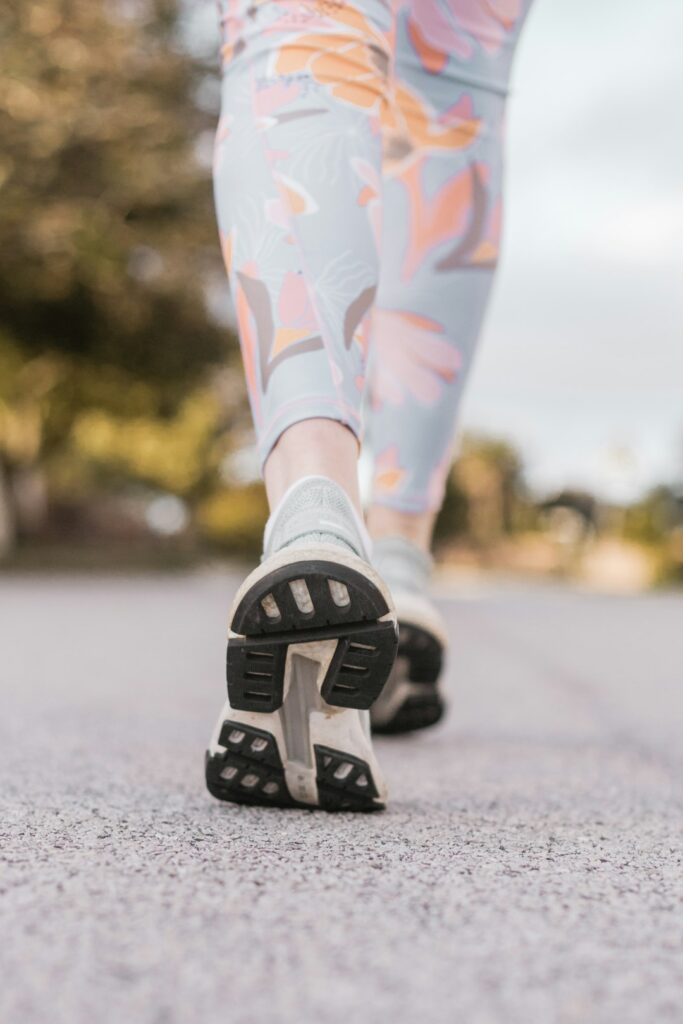
- Wearing shoes with enough support for sidewalks or trails
- Staying alert to uneven or slippery surfaces, especially after snow or rain
- Hydrating before and after activity, particularly during humid Rochester summers
Gradually increasing duration or difficulty—rather than making abrupt leaps—helps the body adapt without discouraging setbacks.
How Can You Fit Exercise into a Busy Rochester Lifestyle?
Local work schedules, family responsibilities, and seasonal weather can make regular exercise difficult. Residents often succeed by weaving physical activity into daily routines:
- Walking children to school or to the bus stop
- Taking stairs rather than elevators when possible
- Doing simple stretches or balance exercises while watching TV or waiting for water to boil
- Shoveling light snow (with safety in mind) counts as movement in colder months
Planning short activity sessions during breaks or after dinner is often more realistic than setting aside an hour at once, especially during Rochester’s darker winter evenings.
Are There Ways to Stay Motivated During Challenging Weather?
Rochester’s climate means hot summers, cold winters, and sometimes unpredictable weather. Adjusting activities to seasonal conditions helps maintain motivation:
- On cold, icy days, focus on indoor movement: dancing, light bodyweight exercises, or stair climbing
- In the summer, morning or evening walks prevent overheating
- Layer clothing for variable temperatures in spring and autumn

Consider setting small, concrete goals—such as walking a certain number of blocks each week—and celebrating when these are met. Tracking progress, even with pen and paper, can reinforce persistence.
What If You Have Ongoing Health Concerns or Physical Limitations?
Many local adults live with chronic conditions, joint pain, or accessibility challenges. Before making substantial changes, those with medical conditions should ensure chosen activities are appropriate for their health status. This may include starting with chair-based exercises, stationary cycling, or movement practiced in water, which reduces joint stress.
Listen to the body’s signals. Shortness of breath (beyond normal exertion), dizziness, or significant discomfort are signs to pause and reassess. Any movement, performed safely and regularly, delivers benefits—there is no single standard of “fitness” to achieve.
What Are Common Myths That Can Hold People Back?
Several misconceptions prevent area residents from starting to exercise:
- Belief that only vigorous or lengthy workouts are worthwhile
- Thinking progress must be rapid or visible
- Feeling too old or believing it’s “too late” to benefit from movement
- Assuming special equipment or expensive plans are required
In reality, gentle and consistent activity improves mood, sleep, mobility, and energy—regardless of current fitness. It always counts, no matter the pace.
How Do Local Residents Support One Another in Building Activity Habits?
Peer encouragement can be powerful. Some neighborhoods have informal walking groups or meet-ups in public parks, especially during spring and summer. Sharing intentions with family or neighbors (even casually) can add accountability.
Many residents find that simply noticing others out walking, gardening, or playing increases motivation. The area’s abundance of green spaces and recreational paths make solo or group activity easier when the weather cooperates.
Remember: Each person’s starting point and path will look different. Progress in fitness is not measured by comparison, but by personal comfort, health, and enjoyment over time.