

 See My Latest Article on HelloNation
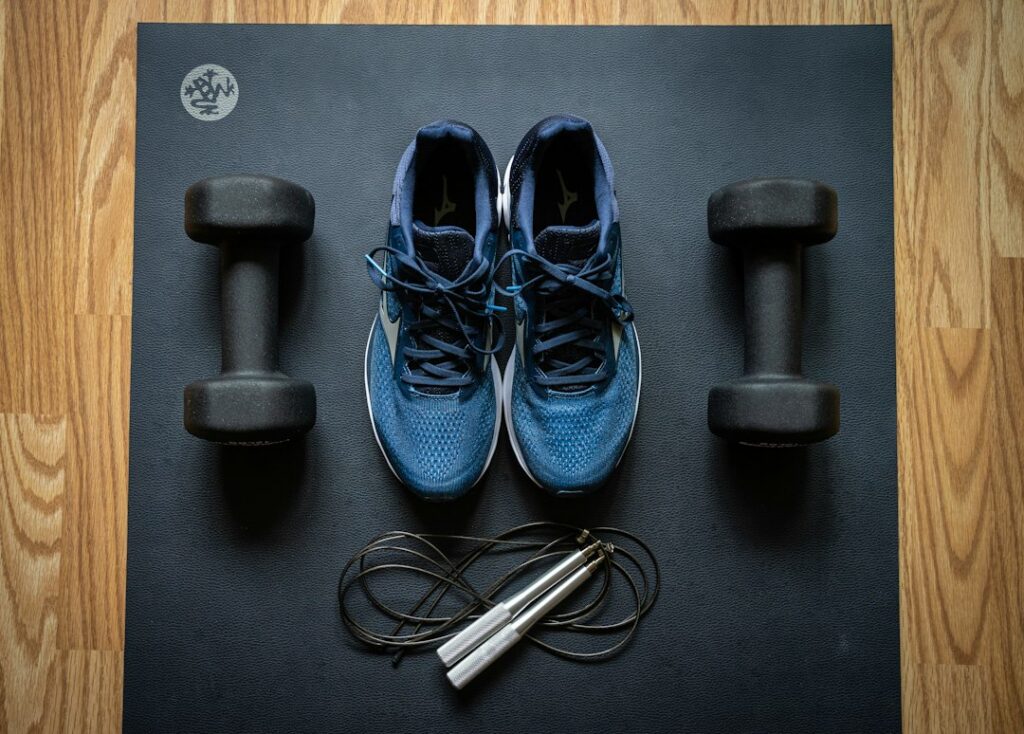
Beginning a fitness routine can improve strength, mobility, energy, and confidence, but early mistakes often make exercise harder than it needs to be. A practical plan should fit current fitness, available time, health needs, weather, and daily habits rather than relying on motivation alone.
What is the most common mistake when starting exercise?
The most common mistake is doing too much, too soon. People who feel motivated may exercise every day, choose challenging workouts, or make several major lifestyle changes at once. That approach can lead to severe soreness, fatigue, frustration, or an avoidable injury.
A safer starting point is to build a routine that feels manageable even during an ordinary week. For example, a new exerciser might begin with:
- Two or three strength sessions per week
- Short walks on several other days
- One or two rest or light-movement days
- Gradual increases in duration, resistance, or difficulty
A routine that can be repeated consistently is more useful than an ambitious schedule that lasts only a few weeks.
How much exercise should a beginner do?
Beginners should focus first on consistency and recovery rather than reaching a demanding weekly target immediately. A short session still counts, especially when it helps establish a regular habit.
A starting workout might include 20 to 30 minutes of moderate activity. This could involve brisk walking, cycling, basic body-weight movements, light resistance exercises, or mobility work. As tolerance improves, time and intensity can increase gradually.
A useful test is the talk test. During moderate activity, a person should generally be able to speak in short sentences without needing to stop for breath. Constantly exercising at an all-out pace is not necessary for general fitness and may make recovery more difficult.
Why is skipping the warm-up a problem?
Starting intense exercise with cold muscles can make movement feel stiff and may reduce coordination. A warm-up does not need to be long or complicated, but it should prepare the body for the activity ahead.
A practical warm-up can include:
- Five to ten minutes of easy walking or cycling
- Gentle joint movements
- Gradual practice of the exercises planned for the session
- Light sets before using heavier resistance
Static stretching, in which a position is held for a period of time, may be more comfortable after exercise or during a separate mobility session. Before activity, gentle movement and gradual increases in effort are usually more useful than forcing a deep stretch.
Is muscle soreness a sign of a good workout?
Not necessarily. Mild soreness can occur after unfamiliar exercise, particularly when a new movement challenges muscles in a different way. However, severe soreness is not proof that a workout was effective.
Pain that changes movement, causes limping, affects a joint, or continues to worsen deserves attention. Sharp pain, chest pressure, fainting, unusual shortness of breath, or sudden weakness should not be treated as normal exercise discomfort.
A common mistake is training the same sore muscles intensely again before they have recovered. Light walking, gentle mobility, adequate sleep, and ordinary daily movement may be appropriate, but hard training should be adjusted when soreness interferes with normal function.
Why does copying an advanced workout often backfire?
Many popular workouts are designed for people who already have experience with strength, impact, speed, or complex movement patterns. Copying an advanced routine can place more stress on joints and connective tissue than a beginner is prepared to handle.
A better approach is to change the exercise rather than abandon it. Examples include:
- Performing a squat to a chair instead of a deep unsupported squat
- Using a wall or elevated surface for push-ups
- Walking before progressing to jogging
- Practicing balance near a stable support
- Using a lighter resistance that allows controlled technique

The goal is to learn movement patterns with control. Difficulty can be added later through more repetitions, greater resistance, longer duration, or more complex variations.
What role does rest play in a new fitness plan?
Rest is part of training, not a sign of failure. The body adapts between workouts, while sleep supports muscle repair, energy regulation, coordination, and recovery.
New exercisers sometimes schedule hard workouts on consecutive days because they believe more exercise will produce faster results. In practice, insufficient recovery can reduce performance and make the routine feel unpleasant.
Recovery needs vary by age, activity level, sleep quality, stress, and health history. Useful signs that a plan may be too demanding include persistent exhaustion, declining performance, poor sleep, irritability, and soreness that does not improve.
Should beginners focus on weight loss first?
Weight loss is only one possible fitness goal, and it should not be the sole measure of progress. Strength, stamina, balance, mobility, mood, blood pressure, and the ability to complete daily tasks are also meaningful outcomes.
Focusing only on body weight can encourage overly restrictive eating or excessive exercise. A more sustainable plan includes regular meals, adequate protein and fiber, hydration, and enough energy to support activity.
Progress can be tracked through practical markers such as walking farther without stopping, lifting an object more comfortably, completing more repetitions with good form, or recovering faster after activity.
How can Rochester weather affect a fitness routine?
Seasonal conditions can make outdoor exercise less predictable, so relying on one location or one type of activity may make consistency difficult. Cold temperatures, snow, ice, wind, heat, and humidity can each affect footing, clothing needs, hydration, and comfort.
During winter, icy surfaces increase fall risk, especially near driveways, sidewalks, stairs, and parking areas. Indoor walking, stair practice, resistance exercises, or mobility sessions can provide alternatives when outdoor paths are unsafe. In warmer months, exercising earlier or later in the day, drinking fluids, and taking breaks can reduce heat-related strain.
Footwear should match the surface and activity. Worn soles, poor traction, or shoes that cause numbness and pressure can undermine an otherwise sensible plan.
What nutrition and hydration mistakes should be avoided?
A new exercise routine does not require extreme diets, supplements, or complicated meal timing. Common problems include exercising while under-fueled, drinking too little, or treating workouts as permission to ignore hunger and recovery needs.
For ordinary moderate workouts, water and balanced meals are generally adequate for many adults. A meal or snack containing carbohydrates and protein can support energy before or after activity. Longer or more demanding sessions may require additional planning, particularly in hot conditions.
People with diabetes, kidney disease, heart conditions, a history of eating disorders, or other medical concerns may need individualized guidance before making significant changes to exercise or nutrition.
How can a beginner stay consistent?
The most reliable routine is connected to a regular part of the day and has a backup option. A person might walk after breakfast, complete strength exercises after work, or use a short indoor routine when weather disrupts outdoor plans.
It also helps to reduce unnecessary decisions. Preparing comfortable clothing, choosing a simple set of exercises, and recording sessions can make participation easier. Missing one workout is not a reason to quit; the goal is to return at the next realistic opportunity.
Before beginning vigorous exercise, or if symptoms or medical conditions create uncertainty, individualized medical guidance may be appropriate. Fitness should improve daily life, not create constant pain, exhaustion, or fear of movement.